
The Truth About Insolvency Fees: What Many People Don't Realise
SEPARATING FACT FROM FICTION WHEN IT COMES TO INSOLVENCY COSTS
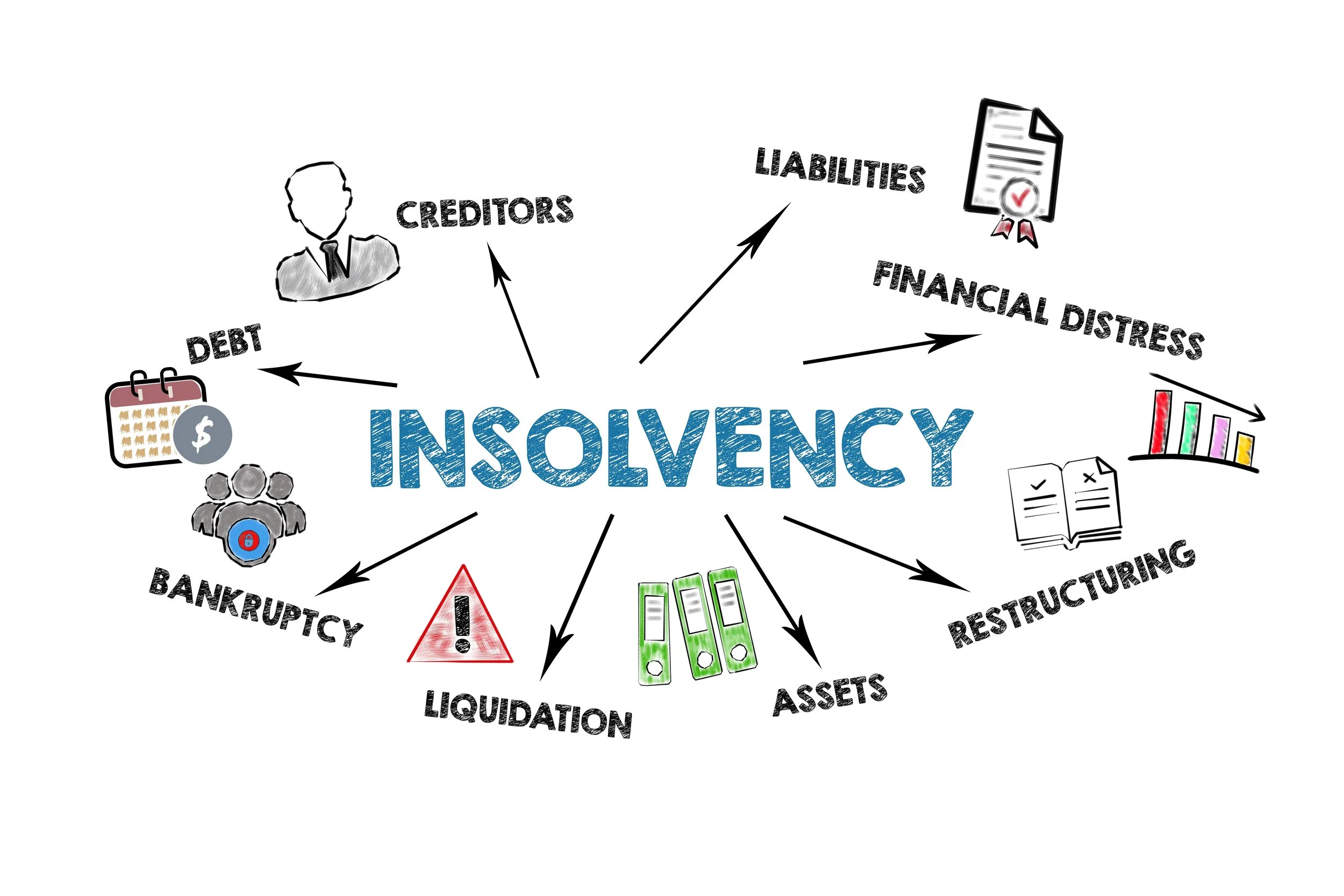
For many individuals and business owners facing financial difficulties, one of the biggest concerns is often the cost of seeking professional help.
Questions such as "Can I afford insolvency advice?", "Will I lose everything to fees?" or "Are insolvency practitioners paid before creditors?" are common.
Unfortunately, insolvency fees are also surrounded by myths and misconceptions. Headlines and hearsay can create the impression that the process is expensive, opaque or designed primarily to benefit professionals.
The reality is often far more nuanced.
In the UK, insolvency practitioners are subject to strict regulatory frameworks and fee approval processes. Understanding how fees work, and what people are paying for, can help remove some of the uncertainty surrounding insolvency procedures.
WHY INSOLVENCY FEES EXIST
Administering an insolvency process is a complex and highly regulated responsibility.
Licensed insolvency practitioners are responsible for duties including:
investigating company affairs
communicating with creditors
complying with statutory obligations
realising assets
distributing funds fairly
preparing reports and maintaining records
These duties are governed by the Insolvency Act 1986 and the Insolvency (England and Wales) Rules 2016.
Insolvency practitioners are also regulated by recognised professional bodies and must comply with strict ethical and professional standards.
HOW ARE FEES ACTUALLY AGREED?
Many people are surprised to learn that insolvency practitioners cannot simply charge whatever they want.
Depending on the type of insolvency, fees are often approved by:
creditors
a creditors' committee
the court
statutory rules
The Insolvency Service provides guidance on how fees are determined, and the information practitioners are required to disclose.
This framework is intended to promote transparency and ensure fees are proportionate to the work involved.
Further guidance can be found on the Insolvency Service website:
Insolvency Practitioner Fees Guidance
https://www.gov.uk/government/publications/insolvency-practitioner-fees
WHAT ARE PEOPLE ACTUALLY PAYING FOR?
Insolvency fees are not simply a charge for completing paperwork.
They reflect:
technical expertise
statutory compliance
asset investigations
creditor communications
legal responsibilities
case administration
Many cases involve months—or even years—of work, particularly where there are multiple creditors, disputes or asset recoveries involved.
The role of the insolvency practitioner is not only to administer the process correctly but also to maximise returns to creditors wherever possible.
COMMON QUESTIONS AND MYTHS
"THE INSOLVENCY PRACTITIONER TAKES ALL THE MONEY."
Myth.
Fees are only one part of the insolvency estate. Creditors receive detailed reports explaining the basis of fees and, in many cases, approve them.
Practitioners have legal duties to act in the interests of creditors and are subject to oversight by their regulatory bodies.
"I HAVE TO PAY LARGE FEES UPFRONT."
Not necessarily.
This depends on the type of insolvency and the circumstances involved.
In some cases, fees are paid from the assets realised during the process rather than requiring significant upfront contributions. Every situation is different, which is why early advice is so important.
"INSOLVENCY ADVICE IS EXPENSIVE."
Not always.
Initial conversations are often designed to help individuals and directors understand their options before deciding how to proceed.
Seeking advice early can prevent problems from becoming more costly and preserve more options.
"INSOLVENCY PRACTITIONERS WORK FOR THE DIRECTOR."
Myth.
Once formally appointed, an insolvency practitioner has duties defined by law and acts independently.
Their primary responsibility is to the insolvency process itself and, depending on the circumstances, to creditors.
"FEES ARE UNREGULATED."
Completely false.
Insolvency practitioners are licensed professionals, and their fees are subject to legislation, creditor scrutiny and professional regulation.
Further information about regulation can be found through:
The Insolvency Service
https://www.gov.uk/government/organisations/insolvency-service
and
The Insolvency Practitioners Association
https://www.insolvency-practitioners.org.uk
WHY EARLY ADVICE OFTEN SAVES MONEY
One of the greatest misconceptions is that delaying action reduces costs.
The opposite is often true.
By the time financial problems become severe, options may have narrowed and additional liabilities may have accumulated.
At VOSCAP, we offer a free 30-minute, no-obligation and completely confidential initial assessment with one of our team. This gives individuals and directors the opportunity to understand their circumstances, explore the options available and ask questions in a supportive and professional environment.
If you would like to discuss your situation or simply gain clarity on the next steps, we would be happy to assist.
📧 Email: info@voscap.com
🌐 Website: www.voscap.com
You can also take our 60-second financial health test here: https://www.voscap.com/60-second-test
ABOUT VOSCAP
Voscap’s primary objective is to save your business. Our team of experts’ knowledge in restructuring and turnaround assignments is invaluable when assessing the best option available to your needs. With experience spanning several decades, we have the skill and resources to provide viable solutions within all industry sectors. All organisations go through difficult times and we are here to help. From small to multi-million turnover businesses, we have dealt with the most complex of cases. We offer an initial free assessment in analysing your financial position and providing clear and precise advice making your experience a simple non-complicated process.