


VOSCAP NEWS

Why People Are Every Business's Greatest Source of Resilience
People are the driving force behind every resilient business. In this article, we explore why retaining experienced staff, investing in continuous development and improving employee engagement are essential for long-term business success. We also examine the growing cost of recruitment, the importance of flexible working and how employers can build a workforce that's prepared for future challenges.

From CCJ to Winding-Up Petition: Understanding the Escalation Process
When a business falls behind on its financial obligations, creditor action can escalate quickly if left unresolved. This article explains the typical progression from missed payments and County Court Judgments (CCJs) through to statutory demands, winding-up petitions and compulsory liquidation, helping directors understand their legal position and the importance of seeking advice early.

IVAs for Landlords: Understanding Your Options When Property Portfolios Are Under Pressure
Owning a rental property portfolio has become increasingly challenging as landlords face rising mortgage costs, changing legislation and higher operating expenses. This article explores how Individual Voluntary Arrangements (IVAs) work for landlords, when they may be appropriate and the key factors to consider before making financial decisions.

Profitability Isn't Everything: What Your Balance Sheet Really Reveals
Profit is only one measure of a successful business. Your balance sheet tells the bigger story, revealing whether your company is financially resilient, solvent and prepared for future challenges. In this article, we explain the balance sheet test, why directors should understand it and how monitoring your financial position can help protect your business.

When Workplace Bonds Strengthen Teams—and When They Undermine Them
Workplace friendships can improve morale, strengthen collaboration and increase employee engagement, but they can also create challenges around boundaries and fairness. In recognition of International Day of Friendship, this article explores the benefits, risks and leadership lessons behind workplace relationships, supported by research from Gallup and the CIPD.
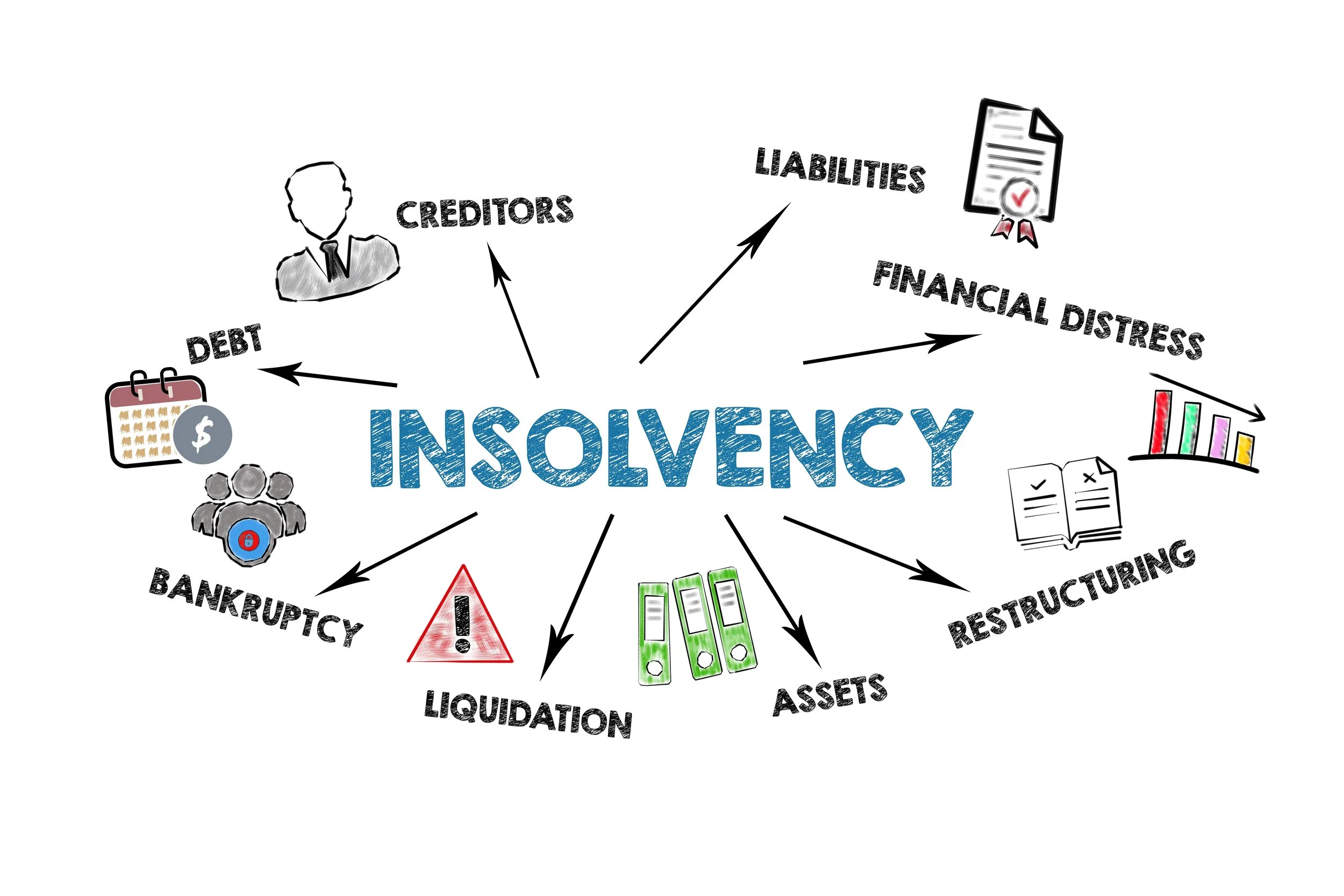
The Truth About Insolvency Fees: What Many People Don't Realise
Insolvency fees are often misunderstood, leading many individuals and business owners to delay seeking advice unnecessarily. This myth-busting guide explains how insolvency fees are regulated in the UK, answers common questions and highlights why obtaining professional advice early can often save both time and money.

Is the Fitness Industry Recovering? Trends and Insights
The UK fitness industry experienced unprecedented disruption during COVID-19, forcing gyms, leisure centres and sports facilities to adapt to changing consumer habits and economic pressures. This article explores how the sector evolved before, during and after the pandemic, examining whether membership confidence has returned and whether the industry is now stronger than ever.

Salary vs Dividends vs Director’s Loan: A Practical Guide for Company Directors
Understanding how to take money out of your company is a key decision for any UK director. This practical guide explains the differences between salary, dividends and director’s loans — including tax implications, risks and how to structure your remuneration effectively.

Why Emotional Financial Decisions Deepen Debt Problems – Insights from Stella Davis
Emotional decision-making can play a major role in worsening financial distress. In this expert feature, licensed insolvency practitioner Stella Davis explores how reactive borrowing and short-term thinking can deepen debt problems—and why early, structured action is key to recovery.

A Career in Insolvency: Qualifications, Skills and Growth Opportunities
A career in insolvency offers a unique blend of finance, law and business advisory, with clear progression from trainee roles to licensed practitioner status. This article explores the qualifications, key skills and career journey involved — along with insights into how professional development and hands-on experience can shape long-term success in the industry.

Restaurants, Pubs, Hotels: Inside the Perfect Storm Facing UK Hospitality
The UK hospitality sector has faced sustained pressure since COVID-19, with thousands of closures, rising costs and changing consumer behaviour reshaping the industry. This article explores the data behind the crisis and what it means for restaurants, pubs and hotels navigating an increasingly difficult operating environment.

Business Visibility in 2026: What Is Now Public and How It Is Interpreted
In 2026, people no longer just search for your company — they rely on AI tools to interpret it for them. This article explores how changing search behaviour, platforms like ChatGPT, and increasing UK transparency through Companies House are reshaping what the public can see about your business and how quickly trust is formed.

Business Advice: What Directors Should Know When Facing Financial Pressure
In this article, Voscap Managing Director David Voskou shares practical insights from his recent Brillance Talks podcast, explaining how financial problems develop, the importance of early action, and what directors can do to navigate business challenges effectively.

Part One - Thinking About the CPI Exams? What They Are, How to Revise, and When to Take Them
For professionals working in the UK insolvency sector, the Certificate of Proficiency in Insolvency (CPI) is often an important step in developing technical knowledge and progressing within the profession.
Awarded by the Insolvency Practitioners Association, the CPI provides a recognised benchmark of understanding across corporate and personal insolvency procedures, legislation and professional practice.
In this article, we explore what the CPI exams involve, when professionals typically choose to sit them, and practical revision techniques that can help candidates prepare. We also speak with VOSCAP team member Anthony Voskou, who is currently studying for the exams, about his motivation for taking the qualification and the study methods he has found most useful so far.
This is the first part of a two-part series following Anthony’s CPI journey as he prepares to sit the exams this June.

Why Fixed Charges Offer Stronger Protection than Floating Charges
Security over business assets plays a central role in commercial lending and corporate finance. In the UK, two of the most common forms of secured lending are fixed charges and floating charges, each offering different levels of protection for lenders and flexibility for businesses.
While floating charges allow companies to continue trading with working capital assets such as stock and receivables, fixed charges provide lenders with stronger control and higher priority in the event of insolvency. Recent high-profile business failures have once again highlighted how the structure of secured lending can influence creditor recoveries.

Inheritance Tax Reform 2026: What April’s Changes Mean for Business and Agricultural Assets
The UK government’s upcoming inheritance tax reforms will bring increased scrutiny to Business Property Relief (BPR) and Agricultural Property Relief (APR), with changes expected to take effect from April 2026. While the reliefs themselves remain in place, the reforms aim to ensure they apply primarily to genuine trading businesses and active agricultural operations.
For business owners and landholders, this shift means that business structures, asset holdings and succession plans may need closer review in the coming year. This article explores the key policy changes announced in the recent budget, what they mean for family businesses and farms, and practical steps owners can take to prepare before the new rules come into force.
From Dividends to Salaries: How Directors Are Adapting to Higher Personal Exposure
In 2026, director pay, tax planning and personal financial decisions are under greater scrutiny than ever before. This article explores how UK directors are adapting their salary, dividend and loan account strategies in response to tighter regulation, increased transparency and rising emotional pressure — and why balanced, compliant decision-making is now essential for long-term protection.

Family Feuds and Financial Distress: The Hidden Risk in Insolvency
Family dynamics can complicate financial decision-making, especially under stress. This article explores how unresolved tensions, informal arrangements and poor documentation can derail insolvency outcomes — and how directors can protect both their business and relationships through early structure and independent advice.

“You’re Doing Great” Isn’t Just for Kids: The Role of Praise in the Workplace
Praise in the workplace is more powerful than many leaders realise. This article explores how recognition influences motivation, performance and retention — and why praise must be specific, balanced and meaningful to truly support growth. We also examine the often-overlooked reality that leaders themselves still need acknowledgment.

Nearly 40 Years On: How the Insolvency Act 1986 Still Shapes Business Today
The Insolvency Act 1986 remains the foundation of UK business recovery nearly 40 years after its introduction. This article explores why the law was needed, how it still governs insolvency today, and what its principles mean for directors, creditors and modern businesses navigating financial pressure.
-

PHONE US
Our experts are ready to provide clear, confidential advice tailored to your situation. Call us today to get started instantly.
-

EMAIL US
Our dedicated team is ready to respond quickly, providing the expert advice and support you need to move forward with confidence.
-

60 SECOND LIQUIDATION TEST
Find out if liquidation is the right solution for your business with our quick and easy online assessment.
ABOUT VOSCAP
Voscap’s primary objective is to save your business. Our team of experts’ knowledge in restructuring and turnaround assignments is invaluable when assessing the best option available to your needs. With experience spanning several decades, we have the skill and resources to provide viable solutions within all industry sectors. All organisations go through difficult times and we are here to help. From small to multi-million turnover businesses, we have dealt with the most complex of cases. We offer an initial free assessment in analysing your financial position and providing clear and precise advice making your experience a simple non-complicated process.